Beyond the Silhouette: Why Your Handbag is a Modern Asset
Mar 22, 2025
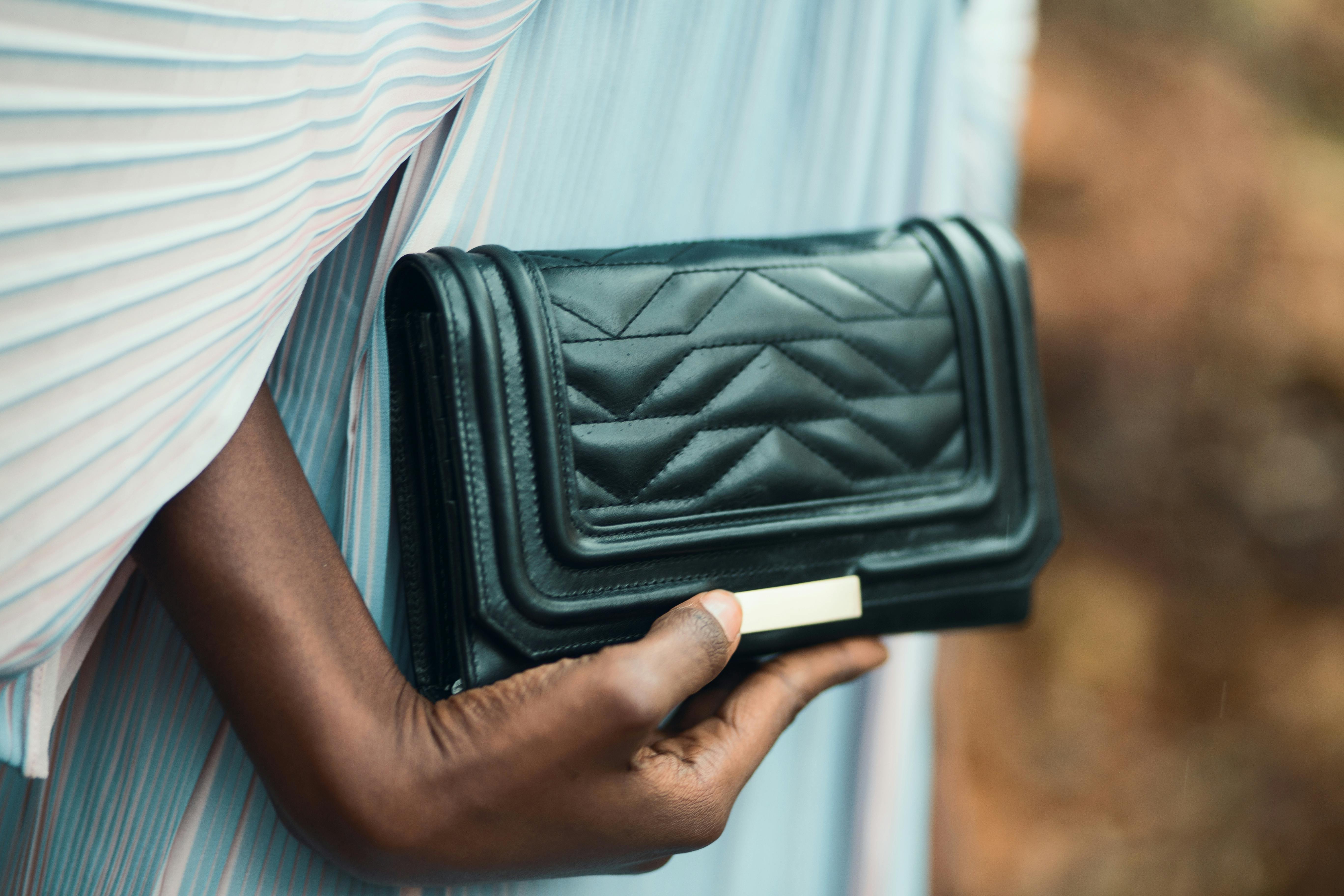
For decades, the traditional portfolio consisted of stocks, bonds, and real estate. Perhaps, for the adventurous, a bit of contemporary art or vintage wine. But in recent years, a new asset class has solidified its position in the wealth management conversation: Investment-Grade Leather Goods.
It is a rational question to ask: Does a handbag truly hold value?
The data suggests yes, provided three criteria are met: Scarcity, Heritage, and Durability.
The Scarcity Principle Mass-market luxury brands produce thousands of units of a single style. Once the season ends, the market is flooded, and resale value plummets. Paulina operates on a scarcity model. By limiting our production to the capacity of our atelier, we ensure that supply never exceeds demand. This protection of inventory prevents the dilution of brand value.
Cost Per Wear (CPW) While the upfront investment in a Paulina piece is significant, the financial logic changes when viewed through the lens of longevity. A "trendy" bag that lasts two seasons has a high CPW. A Paulina bag, constructed from full-grain leather that heals itself and hardware that doesn't tarnish, is designed for decades of use.
The Vintage Market We are seeing a surge in demand for "pre-loved" vegetable-tanned leather. Unlike chemically treated leathers that crack and peel, vegetable-tanned leather develops a "patina"—a darkened, glossy sheen that essentially maps the life of the owner. A well-patinated bag often commands a premium among collectors because it possesses a character that a new bag has not yet earned.
Your purchase is an emotional decision, certainly. But it is comforting to know it is a rational one, too.